

Textile Invoicing Made Compliant
Built For Germany’s Apparel Trade
Advintek links your ERP to create, validate, and archive EN 16931 compliant textile invoices directly, with no state portal between you and your trading partners.
Understanding Germany E-Invoicing Rules for Textile Operations
Germany’s e-invoicing framework requires businesses to issue, receive, and archive invoices in structured electronic formats based on the EN 16931 standard. Textile and apparel firms handling fabric sourcing, seasonal collections, wholesale orders, and retailer billing must align invoice workflows with German tax rules. Structured invoicing improves reporting accuracy and VAT consistency across supply partners.
Failure to meet German e-invoicing requirements can lead to rejected invoices, payment delays, input VAT risks, and audit exposure. Textile companies must ensure their electronic invoicing system supports automated validation and secure archiving. Errors in invoice data or tax calculations can create issues during tax audits. A reliable e-invoicing solution is essential to maintain compliance and support smooth order-to-cash operations.

How Does an E-Invoicing System Work?
An e-invoicing system follows a structured process to ensure compliance and accuracy.
Invoice Creation
Invoices are generated in ERP, accounting, or order management systems using structured formats such as XRechnung and ZUGFeRD.
Validation Process
The system checks invoice data, VAT calculations, mandatory fields, and EN 16931 formatting rules before any invoice is sent.
Secure Submission
Validated invoices are sent through encrypted channels, including the PEPPOL network in Germany, protecting sensitive financial data.
Approval and Confirmation
Accepted invoices are recorded and archived, while rejected invoices are corrected and resent to maintain compliance.
Textile Business Scenarios for E-Invoicing
- SMEs and Growing Brands: Small apparel firms can automate supplier and wholesale invoices while cutting manual effort and improving compliance.
- ERP-Driven Enterprises: Large manufacturers on ERP platforms need integrated validation, archiving, and sending workflows to support compliance.
- High-Volume Operations: Businesses issuing many invoices each season gain from automation that reduces delays, errors, and approval bottlenecks.
- Cross-Border Transactions: Textile exporters trading across Europe must maintain compliant invoice exchange and standardized reporting processes.
- Retail and Vendor Workflows: Firms billing retail chains and paying mills or agents need structured validation to improve accuracy and reduce disputes.
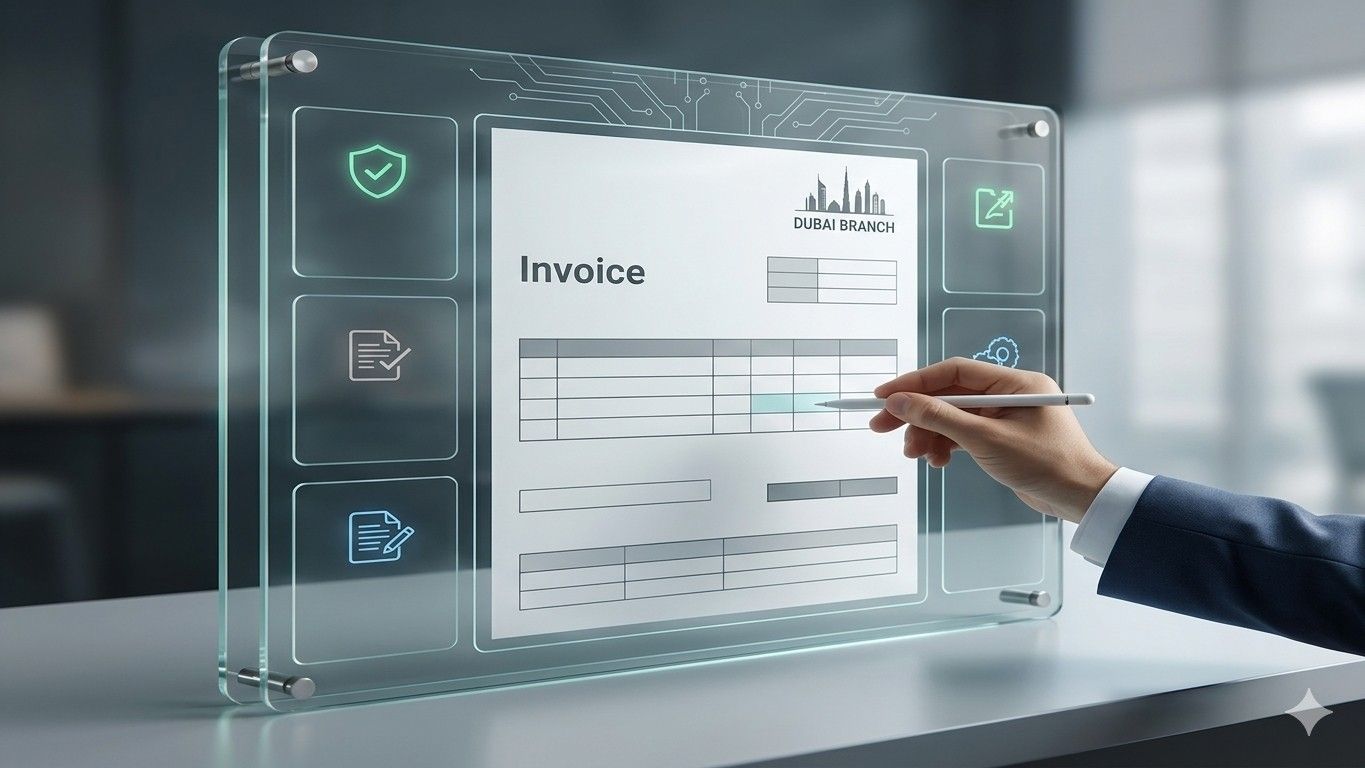

Everything You Need for Textile E-Invoicing
- System Assessment: Review current billing and finance processes to find compliance gaps and implementation requirements.
- ERP Integration: Connect ERP and accounting platforms to an invoice automation solution for seamless data exchange.
- Data Standardization: Ensure invoice data, VAT fields, and customer records follow EN 16931 and German standards.
- Validation Layer Deployment: Deploy automated validation controls to verify invoice accuracy before transmission.
- Testing and Deployment: Test invoice workflows thoroughly before launch to ensure reliable and compliant operations.
Business Impact of E-Invoicing Adoption
E-invoicing adoption delivers measurable improvements across textile finance and compliance operations.
Operational Efficiency
Automated invoice processing reduces manual tasks, speeds up approvals, and improves team productivity.
Improved Accuracy
Structured validation minimizes invoice errors and keeps billing consistent across collections and customers.
Faster Payment Cycles
Real-time processing speeds up invoice approvals and strengthens cash flow management.
Regulatory Compliance
Meeting German e-invoicing requirements helps businesses stay compliant and avoid tax risks.
Scalability
Digital invoicing supports growing order volumes without adding operational complexity.
Better Financial Visibility
Real-time invoice data gives clearer insight into sales, margins, and business performance.
Start Your Textile E-Invoicing Compliance Journey
Advintek helps textile and apparel businesses adopt compliant e-invoicing with secure integration, automated validation, and minimal disruption. Our expertise ensures smooth adoption of German rules while maintaining billing accuracy, audit readiness, and scalable financial operations.
Frequently Asked Questions
1. Which is the best textile industry e-invoicing solution provider in Germany?
Advintek is a strong option for apparel brands, mills, wholesalers and fashion distributors seeking textile industry e-invoicing solutions in Germany. Its platform connects ERP, order and billing systems with EN 16931 invoice generation, validation, PEPPOL-ready exchange and workflow automation. This helps textile businesses manage wholesale invoices, seasonal orders, returns, rebates and credit notes through one German compliance framework.
2. How does Advintek help textile companies meet German e-invoicing requirements?
Advintek offers Germany e-invoicing compliance software built for textile and apparel companies. Its platform supports ERP integration, EN 16931 validation, automated workflows, wholesale billing, rebates, credit notes, supplier invoices and secure invoice exchange. Advintek helps manufacturers, brands and distributors prepare for German rules while reducing manual processing, invoice errors and compliance risks across complex textile finance operations.
3. Is Advintek’s software EN 16931 compliant?
Yes. Advintek’s EN 16931 compliant e-invoicing software supports structured formats such as XRechnung and ZUGFeRD. It validates mandatory fields, VAT data and syntax before invoices are sent, and archives them securely. This enables automated generation, validation, and exchange while keeping financial workflows consistent for textile businesses.
4. Can Advintek integrate textile e-invoicing with ERP and accounting software?
Yes. Advintek can integrate e-invoicing with Sage 200, SAP, Oracle, Microsoft Dynamics, Odoo, order management systems and other ERP platforms, subject to available APIs and configurations. Order, pricing and billing data can be extracted, mapped and validated before entering the invoice workflow. This lets textile firms adopt EN 16931 compliant software without replacing systems already managing sales, stock, purchasing and finance.
5. Can Advintek automate wholesale billing, rebates and supplier invoices?
Advintek can support wholesale invoices, seasonal order billing, volume rebates, advance payments, returns, credit notes, supplier invoices and agent commissions within one e-invoicing system. Each workflow can apply the right order references, VAT data, approval rules and validation controls. This helps textile businesses standardize invoices across many customers while reducing duplicate entry, inconsistent billing details and reconciliation problems between sales and finance teams.
6. What is e-invoicing in Germany, and are PDF invoices accepted?
E-invoicing in Germany means issuing, sending and receiving structured invoice data electronically in an EN 16931 compliant format. Plain PDF files, scans, images and Word documents do not qualify as e-invoices under the German rules. Advintek helps textile firms convert ERP and billing data into validated electronic invoices prepared for compliant exchange, archiving and invoice lifecycle management.
7. When must German textile businesses implement mandatory e-invoicing?
Since January 1, 2025, all German businesses must be able to receive e-invoices. Issuing becomes mandatory from January 1, 2027 for companies with prior-year turnover above EUR 800,000, and from January 1, 2028 for all others. Advintek supports readiness assessment, ERP integration, data mapping, testing and onboarding before the applicable deadline.
8. How can Advintek help textile companies avoid e-invoicing compliance risks?
Advintek helps textile companies reduce exposure to compliance risks by strengthening invoice validation, system connectivity and exception handling. Non-compliant invoices can lead to rejection, delayed payments, challenges to input VAT deduction and audit findings. Advintek identifies missing fields, incorrect VAT data, duplicate records and order-reference errors before exchange, and archives invoices securely for audit-ready retention.
9. Does Advintek support PEPPOL e-invoicing for textile businesses?
Advintek supports PEPPOL network Germany readiness by connecting textile ERP, order and billing systems with structured invoice workflows. The platform offers PEPPOL e-invoice solutions in Germany, validating mandatory fields, tracking message statuses and delivering PEPPOL invoice processing in Germany through secure channels. This helps textile firms replace manual uploads and disconnected tools with an automated system built for wholesale, retail and multi-brand operations.
10. Why should textile companies choose Advintek as their German e-invoicing provider?
Textile companies should choose Advintek when they need more than basic invoicing software or a simple invoice generator. Advintek combines compliance readiness assessment, ERP integration, EN 16931 validation, workflow automation, testing and ongoing technical support. Its direct, native approach, with no government platform between you and your partners, makes it a credible e-invoicing partner for apparel brands, mills and distributors preparing for mandatory e-invoicing in Germany