

Cement Invoicing Built To Comply
Audit-Ready Straight From Your ERP
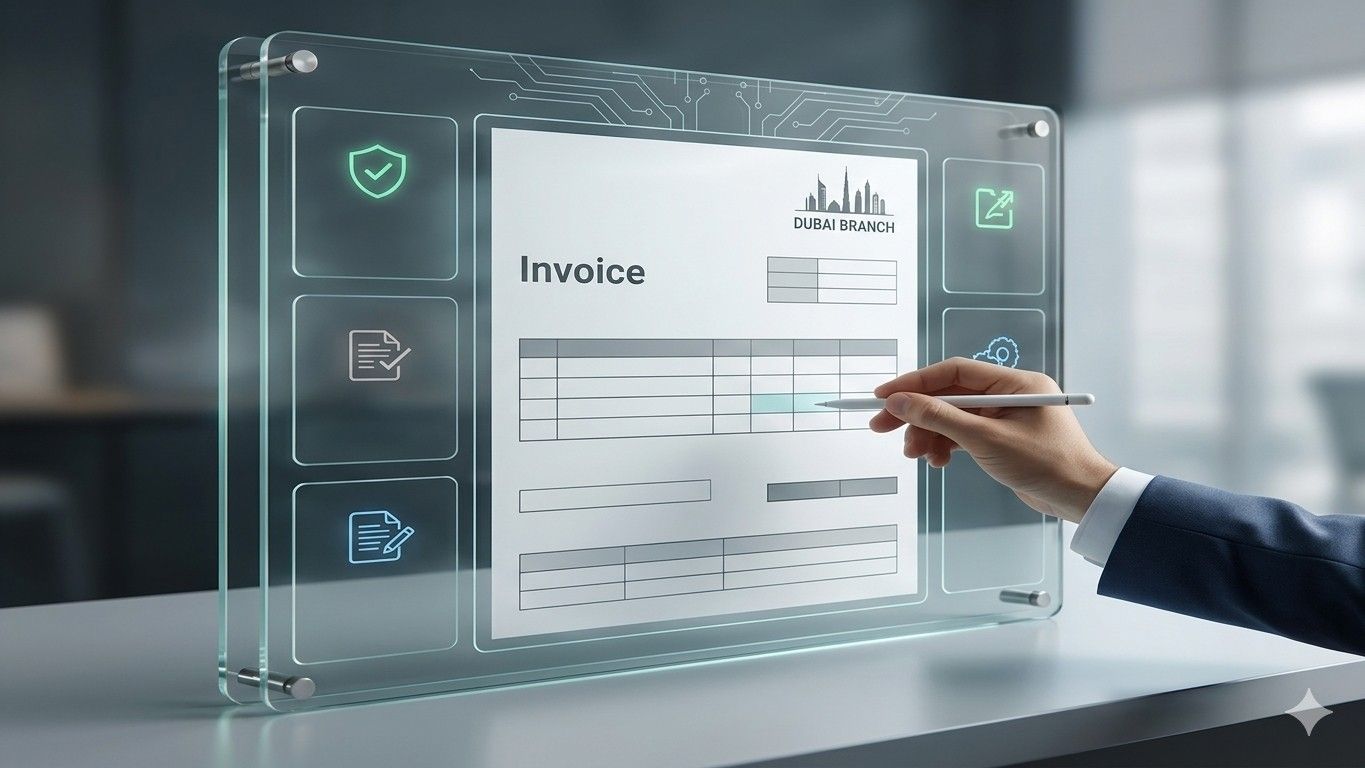
Advintek links your ERP to compose, screen, and archive EN 16931 invoices directly, with no state platform sitting between you and your building materials partners.
Construction Materials E-Invoicing: Germany’s Rules Made Clear
Germany’s e-invoicing model requires invoices to be issued, delivered, and archived in structured digital formats built on EN 16931. Building materials and cement firms handling bulk deliveries, site orders, project contracts, and dealer billing must keep invoice workflows aligned with German VAT rules. Structured data improves reporting accuracy and tax consistency across partners.
Overlooking e-invoicing requirements can cause rejected invoices, delayed payments, input VAT disputes, and audit exposure. Construction materials e-invoicing needs automated checks and secure archiving. Wrong tax values or empty mandatory fields can create problems in tax reviews. Dependable e-invoicing in Germany is essential for steady order-to-cash operations.

Main Stages of a Compliant E-Invoice Journey
A structured e-invoice journey keeps every building materials invoice accurate and compliant.
Invoice Composition
Invoices are produced from ERP, accounting, or order systems in structured formats such as XRechnung and ZUGFeRD, following EN 16931.
Data and VAT Screening
The system confirms VAT values, mandatory fields, and formatting rules before any invoice leaves your environment.
Receipt and Archiving
Accepted invoices are stored securely using e-invoice archiving software in Germany, while rejected ones are corrected and resent.
Approval and Confirmation
Accepted invoices are logged with status updates, while rejected ones are corrected, reissued, and archived with a full audit trail.
Where Materials Businesses Benefit from E-Invoicing
- Regional and Mid-Sized Suppliers: Smaller materials firms can automate dealer and supplier billing, reduce manual entry, and stay compliant with less effort.
- ERP-Driven Producers: Large cement and materials groups on ERP platforms need linked checks, archiving, and sending flows to support compliance at scale.
- Heavy Delivery Volumes: Automation helps high-volume suppliers reduce delays, errors, and approval bottlenecks across busy construction seasons.
- Cross-Border Materials Trade: Exporters trading across Europe must keep invoice exchange compliant and reporting consistent in every market.
- Dealer and Haulage Flows: Companies billing contractors and paying freight, quarry, or raw material vendors need structured checks to avoid disputes.
Complete Toolkit for Materials E-Invoicing
- Readiness Review: Examine current billing and finance workflows to spot compliance gaps and define implementation needs.
- ERP Connection: Link ERP and accounting platforms to an automation layer so invoice data flows smoothly without manual handling.
- Data Alignment: Make sure invoice data, VAT fields, and customer records match EN 16931 and e-invoicing requirements in Germany.
- Validation Controls: Put automated checks in place so every invoice is verified for accuracy before it is sent.
- Pilot and Go-Live: Run full workflow tests before launch so daily operations stay reliable and compliant.
Results Materials Firms Gain from E-Invoicing
Adopting e-invoicing brings measurable gains across materials finance and compliance operations.
Greater Output
Automation removes repetitive manual work, shortens approval times, and lifts overall team output.
Dependable Data
Structured checks reduce invoice mistakes and keep billing uniform across deliveries, products, and customers.
Swifter Payments
Real-time handling speeds up approvals and supports healthier cash flow across long payment cycles.
Rule Conformity
Following German e-invoicing requirements helps materials businesses stay compliant and limit tax exposure.
Expansion Readiness
Digital invoicing handles rising order volumes without adding extra operational burden.
Richer Financial Insight
Live invoice data shows sales, margins, and performance across plants and product lines.
Open Your Building Materials
E-Invoicing Compliance Chapter
Advintek helps building materials and cement businesses adopt compliant e-invoicing with secure integration, automated validation, and minimal disruption. Our expertise supports a smooth move to German rules while protecting billing accuracy, audit readiness, and scalable financial operations.
Frequently Asked Questions
1. Which provider delivers dependable construction materials e-invoicing in Germany?
Advintek is a strong choice for cement producers, aggregate suppliers, building materials manufacturers and dealers seeking construction materials e-invoicing in Germany. Its platform links ERP, order and billing systems with EN 16931 invoice creation, checks, PEPPOL-ready exchange and workflow automation. This helps materials businesses manage bulk invoices, haulage charges, rebates and credit notes under one German framework.
2. Does Advintek offer e-invoice archiving software in Germany?
Yes. Advintek provides e-invoice archiving software in Germany that stores structured invoices securely in their original format. Invoices stay unaltered, searchable and ready for tax audits throughout the retention period. This helps cement and materials companies keep finance records organized without manual filing or scattered storage.
3. What are the e-invoicing requirements for building materials companies?
E-invoicing requirements in Germany call for structured invoices in an EN 16931 compliant format, with secure exchange and proper archiving. Mandatory fields and VAT data must be accurate before sending. Advintek helps materials businesses meet these requirements through automated validation, workflow control and audit-ready record keeping.
4. Can Advintek connect with our ERP and accounting software?
Yes. Advintek can integrate with SAP, Oracle, Microsoft Dynamics, Odoo, order systems and other ERP platforms, subject to available APIs and configurations. Order, pricing and billing data is pulled, mapped and checked before entering the invoice workflow. Materials firms can adopt compliant e-invoicing without replacing systems that already run sales, stock, purchasing and finance.
5. Can Advintek automate delivery billing, rebates and supplier invoices?
Advintek supports bulk delivery invoices, project milestone billing, volume rebates, advance payments, returns, credit notes, haulage charges and supplier bills within one system. Each workflow can carry the right order references, VAT data, approval rules and validation controls. This helps materials firms standardize billing across many dealers and reduce duplicate entry and reconciliation gaps.
6. How does e-invoicing in Germany work, and are PDF invoices still valid?
E-invoicing in Germany means creating, sending and receiving structured invoice data electronically in an EN 16931 compliant format. Plain PDFs, scans, images and Word files do not qualify as e-invoices under the German rules. Advintek helps materials businesses turn ERP and billing data into validated electronic invoices ready for compliant exchange, archiving and lifecycle management.
7. What are the e-invoicing deadlines for German building materials businesses?
Since January 1, 2025, all German businesses must be able to receive e-invoices. Issuing becomes mandatory from January 1, 2027 for companies with prior-year turnover above EUR 800,000, and from January 1, 2028 for all others. Advintek supports readiness checks, ERP integration, data mapping, testing and onboarding ahead of the applicable date.
8. Does Advintek provide a PEPPOL access point in Germany?
Advintek supports PEPPOL access point Germany connectivity so materials companies can exchange invoices securely with trading partners. The platform verifies mandatory fields and VAT data, tracks message statuses and flags duplicate records or order-reference errors before exchange. Invoices are stored securely for audit-ready retention.
9. What PEPPOL e-invoice software does Advintek offer for Germany?
Advintek delivers PEPPOL e-invoice software in Germany, linking materials ERP, order and billing systems with structured workflows. As PEPPOL invoice software, it validates data, tracks delivery statuses and prepares invoices for secure exchange. This helps firms replace manual uploads and scattered tools with one automated system built for multi-plant operations.
10. Why choose Advintek as your German e-invoicing partner in the materials sector?
Materials companies should choose Advintek when they need more than basic invoicing software or a simple invoice generator. Advintek combines readiness assessment, ERP integration, EN 16931 validation, workflow automation, testing and ongoing technical support. Its direct, native approach, with no government platform between you and your partners, makes it a credible choice for producers, dealers and suppliers preparing for mandatory e-invoicing in Germany.